In the challenging world of heavy industry, plant managers and safety officers have long struggled with the dangerous, time-consuming process of infrastructure inspection. Traditional methods often require production shutdowns, expensive scaffolding and placing workers in harm's way. The global industrial drone inspection market is rapidly changing that landscape — so what's driving this remarkable shift in how we approach industrial safety and efficiency?
Why Traditional Inspection Falls Short
The industrial sector faces challenges that make manual inspection increasingly impractical. Workers climb into confined spaces, scale tall structures and enter areas of extreme temperature — every single day. Add the cost of plant downtime, scaffolding and lost production, and the case for a safer, faster alternative writes itself.
Steel & Metals Production
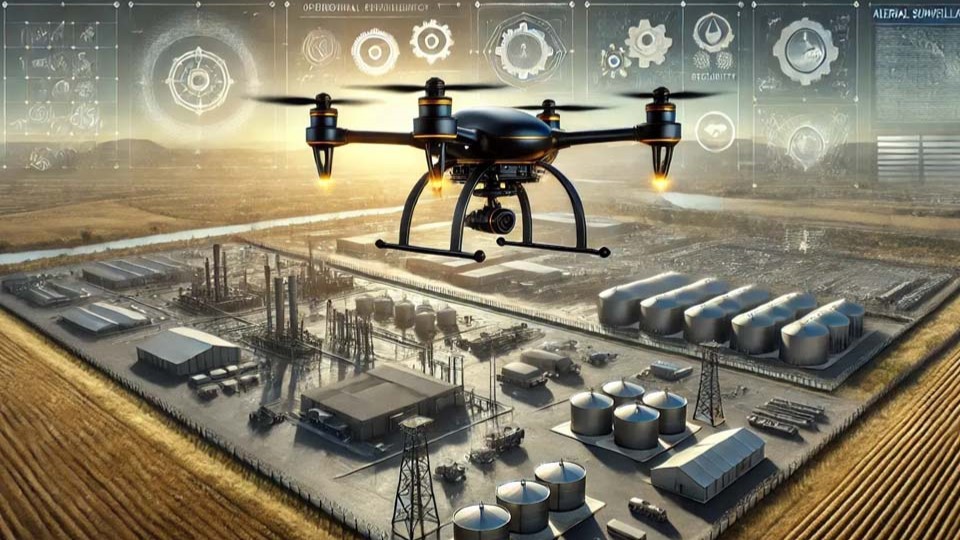
Steel plants are among the harshest inspection environments imaginable — high heat, caustic chemicals and massive equipment. Heat-resistant drones inspect while production continues, capturing visual records of refractory conditions and spotting cracks and hot spots before they escalate — turning maintenance proactive.
Power Generation
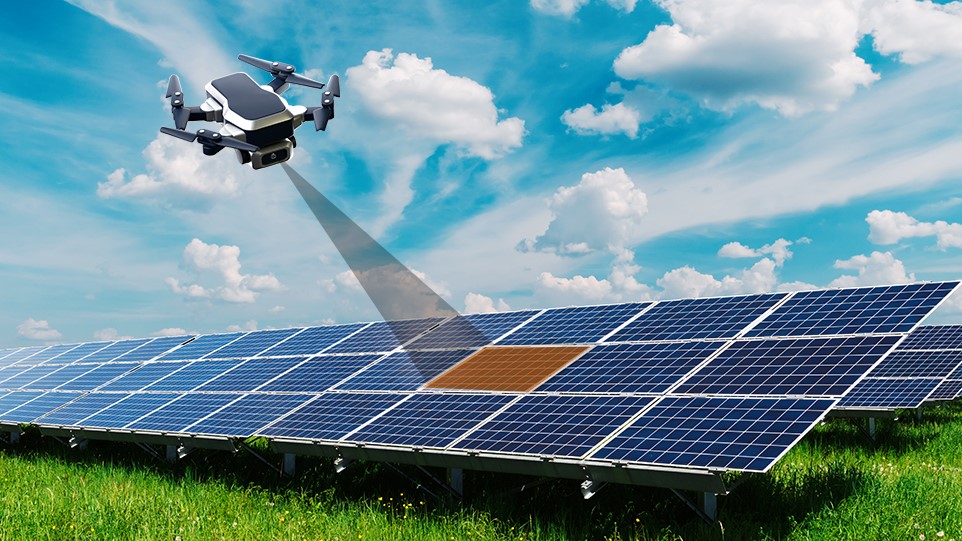
Power facilities span huge geographic areas and fine components alike. Drones inspect miles of transmission line a day — versus a couple with ground crews — run precise infrared scans to catch faults early, speed up disaster response, and check solar arrays and cooling towers without scaffolding.
Mining Operations
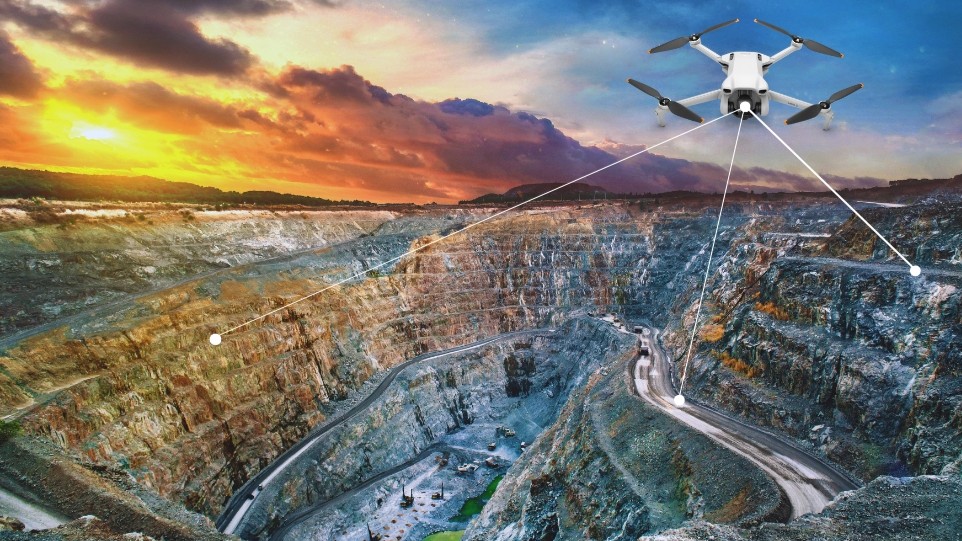
Mines cover vast, ever-changing ground. Drone photogrammetry delivers around 98% accurate stockpile volumes, detects slope movement before it becomes a hazard, sharpens blast planning and automates environmental compliance — all while keeping crews at a safe distance.
Future Outlook & Emerging Technologies
The sector is evolving fast. Autonomous drones will run daily inspections with minimal oversight, AI will flag defects earlier than human analysts can, swarms will inspect whole facilities at once, docked systems will monitor remote sites continuously, and drone data will feed live digital twins for virtual inspection and maintenance.
Industrial drones are no longer experimental — they're a proven, mainstream inspection tool delivering clear safety and cost gains.
Conclusion
Start by targeting the highest-risk tasks — confined spaces and work at height — and the impact shows immediately. With adoption accelerating across steel, power and mining, the question is no longer if but how soon you'll start seeing results.
Inspecting plants, power lines or pits by hand?
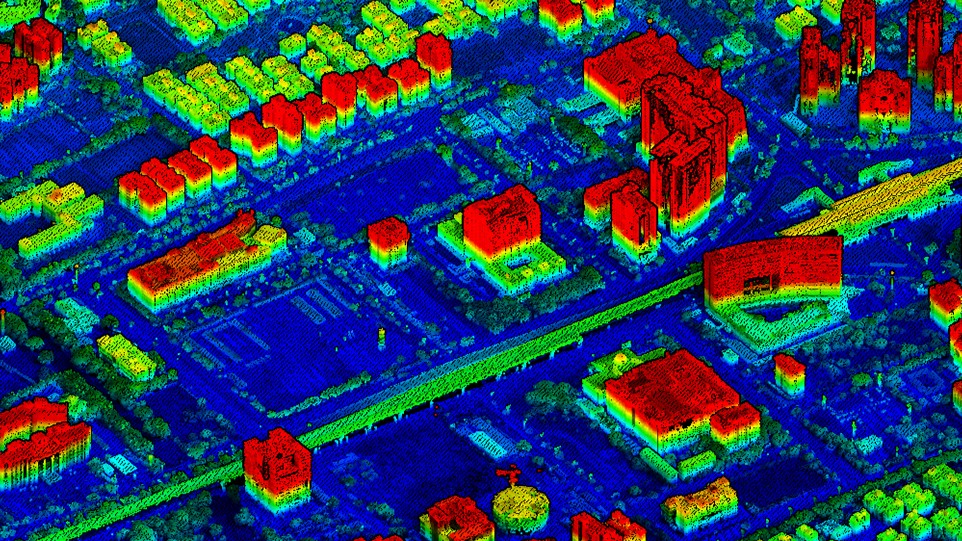
OxLand turns drone imagery, thermal scans and LiDAR into one monitoring platform — defects tagged, trends tracked and compliance documented across every asset. Tell us about your site and we'll show you how.
Book a walkthrough on your site